When Your Kitchen Sink Backs Up During Stratton’s Spring Thaw
Picture this: It’s late March in Stratton, and the snow’s finally melting after a brutal Colorado winter. You’re washing dishes after dinner when suddenly the water stops draining. Then it starts rising. Fast. Within minutes, greasy water is pooling around yesterday’s casserole dish, and you hear an ominous gurgling from the bathroom down the hall. If you’re nodding along because this just happened to you, you’re not alone. Many homeowners in the 80836 area discover their drain problems right when seasonal ground shifts put extra pressure on already-compromised sewer lines. The good news? Residential hydro jetting might be exactly what your pipes need—and it’s far more effective than that chemical drain cleaner you bought at the hardware store.
What Makes Hydro Jetting Different From Traditional Snake Methods?
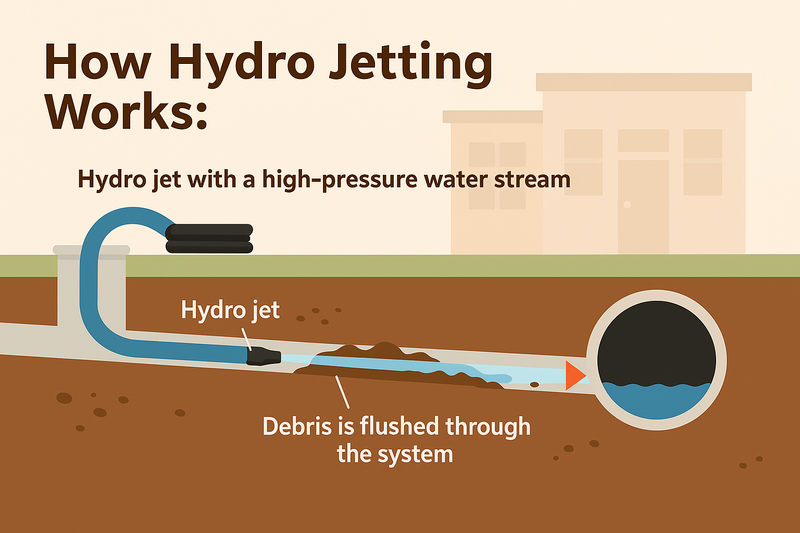
Traditional drain snakes poke holes through clogs—think of it like creating a tunnel through a snowdrift rather than clearing the entire path. A hydro jetting service, on the other hand, uses high-pressure water streams (typically 3,000 to 5,000 PSI) to completely scour the interior of your pipes. For Stratton homes built in the 1970s and 80s, many of which have original cast iron or clay sewer lines, this thorough cleaning addresses decades of accumulated grease, mineral deposits, and even tree root intrusions that snake through pipe joints. The process typically takes two to four hours for a standard residential hydro jetting job, and most homeowners notice immediate improvements in drainage speed and odor reduction.
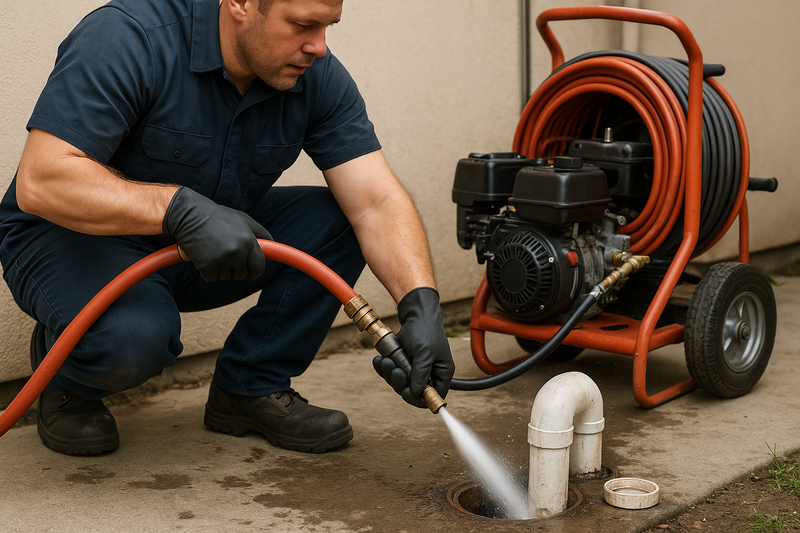
Here’s what actually happens during the process: A licensed plumber first inspects your sewer line with a video camera to identify the clog location and assess pipe condition. This step is crucial—hydro jetting damaged or collapsed pipes can make problems worse. Once they’ve confirmed your pipes can handle the pressure, they insert a specialized nozzle attached to a high-pressure hose into your cleanout access point. The nozzle sprays water in multiple directions while moving through the pipe, blasting away buildup and flushing everything toward the municipal sewer connection. The forward-facing jets propel the hose forward, while rear-facing jets do the heavy cleaning work.
How Much Does Residential Hydro Jetting Cost in Stratton?
Let’s talk numbers, because hydro jetting cost is usually the first question homeowners ask. In the Stratton area, you can expect to pay between $350 and $600 for a standard residential hydro jetting service on a straightforward clog. That price typically includes the initial camera inspection and one cleanout point. However, several factors can push costs higher. If your home doesn’t have an existing cleanout access point and the plumber needs to install one, add another $200 to $400. Sewer line hydro jetting for longer runs (say, if your house sits far back from the street) might cost $600 to $900. Emergency hydro jetting outside regular business hours—like when your drains back up at 10 PM on a Saturday—usually carries a premium of $150 to $250 on top of standard rates.
Before you balk at these numbers, consider the alternative. Replacing a damaged sewer line in Stratton runs anywhere from $3,000 to $10,000 depending on length and accessibility. Regular hydro jetting every 18 to 24 months for older homes can prevent the kind of severe buildup that leads to pipe failure. For newer homes in decent condition, you might only need this service every three to five years. Think of it as preventive maintenance, like changing your car’s oil—pay a little now or pay a lot later.
Red Flags That Mean You Need Professional Help Immediately
Some drain situations you can handle with a plunger and patience. Others require immediate professional attention. Watch for these warning signs that indicate you need more than DIY fixes:
- Multiple drains backing up simultaneously: When your toilet, shower, and kitchen sink all slow down at once, the problem is in your main sewer line, not individual fixtures.
- Sewage odors in your yard: Especially during Stratton’s freeze-thaw cycles, this often indicates a cracked or blocked line that’s leaking into surrounding soil.
- Persistent slow drains despite snaking: If you’ve already tried mechanical methods and water still drains sluggishly, you’re dealing with buildup that only high-pressure water can address.
- Gurgling sounds from multiple fixtures: This indicates air trapped in your sewer line, usually because water can’t flow properly past an obstruction.
- Lush patches of grass over your sewer line: Ironically, a sewage leak acts as fertilizer, creating noticeably greener spots in your lawn.
Questions to Ask Before Hiring a Hydro Jetting Professional
Not all plumbing companies in Stratton offer true residential hydro jetting—some advertise it but only have equipment suitable for commercial hydro jetting on larger pipes. When calling for quotes, ask these specific questions: Do you perform a camera inspection before hydro jetting? (The answer should always be yes.) What PSI rating does your equipment provide for residential work? (You want 3,000 to 4,000 PSI for most home applications.) Are you licensed and insured specifically for hydro jetting work in Colorado? Can you provide references from other homeowners in the 80836 area? And critically: What’s your assessment if the camera reveals damaged pipes?
A reputable contractor will be upfront if your pipes aren’t suitable for hydro jetting and will discuss alternatives. They should also explain what you can do to maintain clear drains between services—like avoiding pouring grease down kitchen sinks and being mindful of what gets flushed. When you’re ready to schedule residential hydro jetting in Stratton, Colorado, look for established local plumbers who understand our specific challenges with seasonal temperature swings and aging infrastructure. The right professional will treat your home with the same care they’d give their own.