When Your Baker Home’s Drains Are Slowing Down—And Your Plumber Mentions a Pressure Washer for Your Pipes
Last winter, a homeowner on Cedar Street discovered that their kitchen sink was draining slower than usual. Within a week, the bathroom wasn’t much better. The real alarm bell? When they flushed the toilet, they heard gurgling from the shower drain. After calling a local plumber, they learned their cast iron sewer line—common in Baker’s older homes built before 1970—had decades of grease buildup, mineral deposits from our hard water, and even some tree root intrusion. The solution wasn’t a simple snake job. They needed hydro jetting, a high-pressure water cleaning method that scours pipe walls clean. But here’s what surprised them most: the hydro jetting cost wasn’t nearly as expensive as they feared, especially compared to the pipe replacement they thought was inevitable.
What You’re Actually Paying For With Hydro Jetting Service
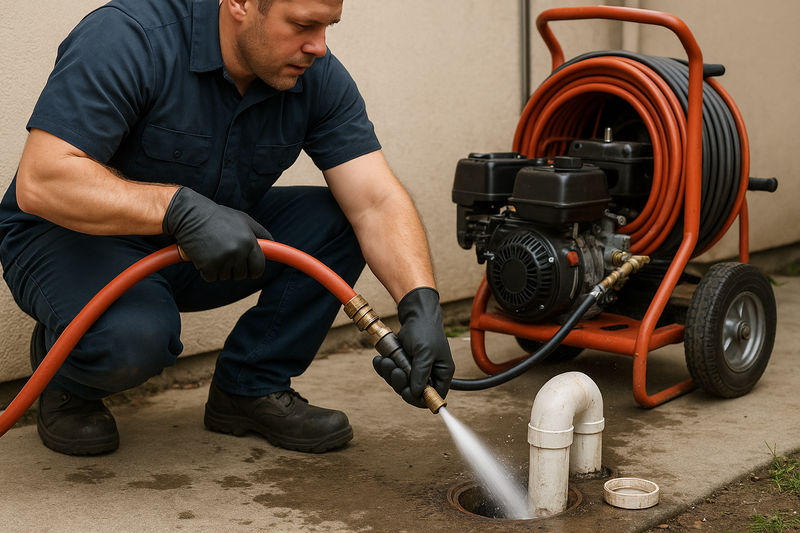
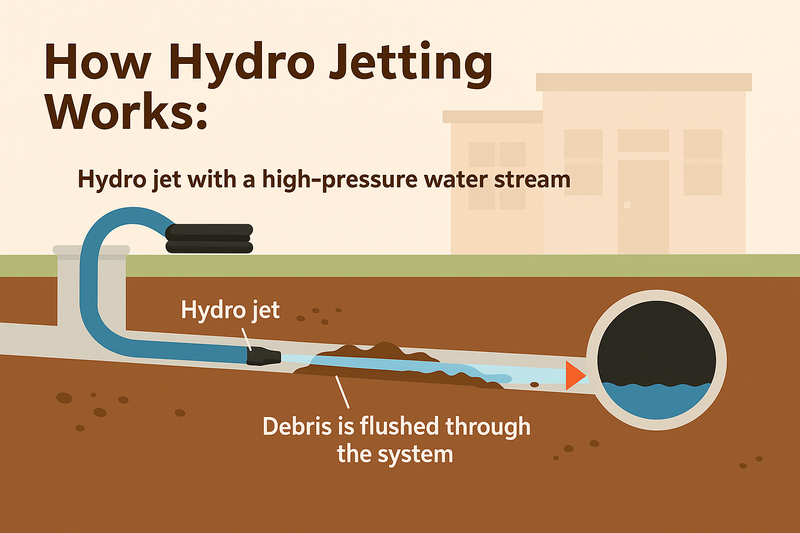
Understanding hydro jetting cost in Baker, Oregon starts with knowing what the process involves. A hydro jetting service uses specialized equipment that shoots water at pressures between 3,000 and 8,000 PSI through your sewer lines. Think of it as a pressure washer on steroids, specifically designed for pipes. The technician inserts a specialized nozzle attached to a high-pressure hose into your cleanout access point (that capped pipe sticking out of your foundation or yard). As water blasts through at extreme pressure, it scours away grease, scale, soap residue, and even cuts through minor root intrusions that have worked their way into joints and cracks.
For residential hydro jetting in the 97814 area, you’re looking at costs that typically range from $350 to $600 for a standard job. This usually covers cleaning 100-150 feet of line, which handles most single-family homes in Baker. However, several factors affect where your specific job falls in that range:
- Pipe accessibility: If your cleanout is buried under landscaping or requires excavation to locate, expect additional charges of $150-300
- Severity of blockage: Heavy root intrusion or decades of buildup may require multiple passes, adding 30-60 minutes of labor
- Video inspection: Many plumbers recommend a camera inspection before and after (adding $150-250), but this protects you by documenting the condition of your pipes
- Emergency timing: Emergency hydro jetting on weekends or after hours in Baker typically carries a premium of 1.5x to 2x the standard rate
- Line length: Properties on larger lots or with long runs to the street connection point may need cleaning beyond the standard footage, usually billed at $3-5 per additional foot
Commercial Hydro Jetting vs. Residential: Why the Price Difference Matters
If you’re comparing quotes and see commercial hydro jetting prices mentioned, understand that these aren’t apples-to-apples comparisons. Commercial hydro jetting for restaurants, shops, or multi-unit buildings in downtown Baker typically costs $800-2,000 or more because the equipment needs higher PSI ratings (up to 10,000 PSI), larger diameter hoses, and the jobs often require weekend or after-hours scheduling to avoid disrupting business operations. Commercial properties also deal with much heavier grease accumulation and need more frequent service. Your residential system simply doesn’t require that level of intervention.
How to Spot When You’re Overpaying (Or Getting a Suspiciously Low Quote)
Baker’s small-town market means you might get quotes that vary significantly. Here’s what reasonable pricing looks like and red flags to watch for. A legitimate hydro jetting service quote should include a camera inspection or at least offer one. Any plumber quoting under $300 for sewer line hydro jetting is either using inadequate equipment, skipping essential steps, or planning to hit you with add-on charges once they’re on-site. On the flip side, quotes exceeding $800 for a straightforward residential job deserve questions. Ask specifically: What PSI rating does your equipment provide? How many feet of line does this cover? Is the video inspection included or separate? Do you guarantee the line will be clear, and what happens if it backs up again within 30 days?
Given Baker’s climate—those freezing winters and the freeze-thaw cycles that can crack aging sewer lines—timing your hydro jetting matters for cost management. Spring is often the busiest season when homeowners discover winter damage caused problems. If your drains are working but slow, scheduling preventive hydro jetting in late fall or early winter (before holiday cooking adds grease to the system) often means better availability and potentially lower pricing due to decreased demand.
The DIY Assessment That Could Save You Hundreds
Before committing to hydro jetting, you can perform a simple assessment that might reveal whether you need the full service or just a standard snaking (which costs $150-250 less). First, check all your drain fixtures: kitchen sink, bathroom sinks, tubs, and toilets. If only one fixture drains slowly, that’s likely a localized clog that doesn’t require hydro jetting. If multiple fixtures are affected—especially if they’re on different floors or opposite sides of your house—you’re dealing with a main line issue where hydro jetting makes sense. Second, listen for gurgling sounds when water drains. That air displacement indicates blockage in your main line. Third, check your yard for soggy spots or sewage odors near your sewer line path. These suggest a serious blockage where tree roots may have penetrated, making hydro jetting both necessary and cost-effective compared to excavation.
Finding Quality Hydro Jetting Service in Baker, Oregon
When you’re ready to schedule service, look for licensed plumbers in the 97814 area who own their hydro jetting equipment rather than renting it (which often indicates they do enough volume to justify the investment and have experience with the process). Ask if they’re familiar with Baker’s older cast iron and clay pipe systems, which require different nozzle selections than modern PVC. A quality contractor will discuss whether your pipes can handle the pressure—some deteriorated lines need gentler treatment or replacement rather than aggressive jetting that could cause more damage than it fixes.