When Your West Side Apartment Building’s Drains Start Backing Up During Spring Thaw
Picture this: It’s late March in Binghamton, and after weeks of snow piles finally melting across the 13903 area, your apartment building’s basement drains start gurgling ominously. By the next morning, three ground-floor units are dealing with backed-up sinks, and your superintendent is fielding angry calls. This scenario plays out in older apartment complexes throughout Binghamton every spring, especially in buildings constructed before 1970 when cast iron pipes were standard. The combination of tree root intrusion, decades of grease buildup, and the sudden influx of melting snow overwhelms compromised sewer lines. Traditional snaking might clear things temporarily, but there’s a more powerful solution that apartment property managers and landlords need to know about: hydro jetting.
Why Apartment Buildings Face Unique Drainage Challenges
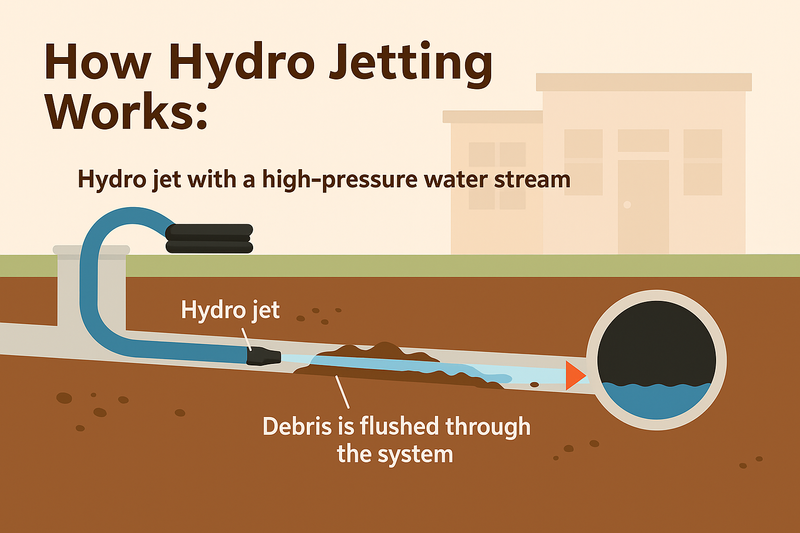
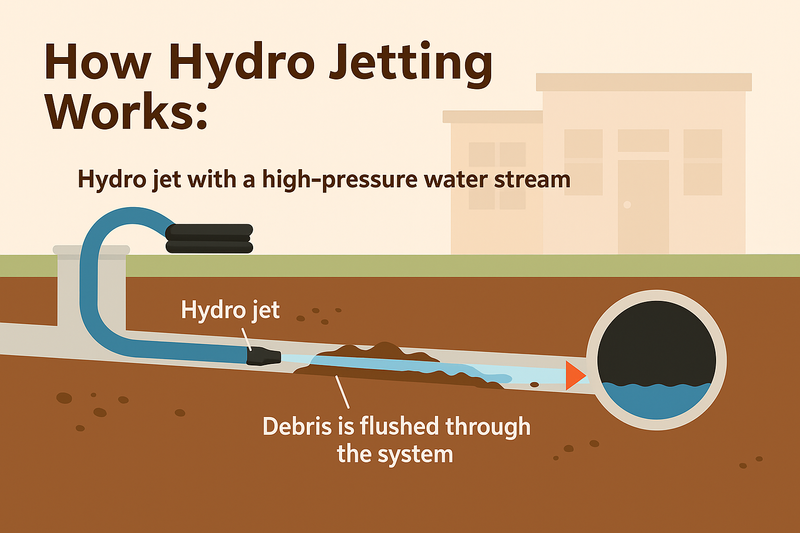
Multi-unit residential properties deal with drainage problems that single-family homes rarely encounter. When you’ve got 8, 12, or 24 units all sharing the same main sewer line, the volume of waste, soap residue, cooking grease, and hair creates buildup at an accelerated rate. In Binghamton’s older apartment stock—particularly those charming brick buildings near the university or along the Susquehanna River—the original clay or cast iron pipes weren’t designed for modern water usage patterns. Add in our freeze-thaw cycles that can shift underground pipes, plus the massive root systems from mature trees lining streets like Vestal Avenue, and you’ve got a recipe for chronic blockages. A residential hydro jetting service tackles these issues by using high-pressure water streams (typically 3,000 to 4,000 PSI) to scour pipe interiors completely clean, removing everything from soap scum to invasive roots.
The Real Cost of Hydro Jetting for Apartment Properties in Binghamton
Here’s the transparency landlords appreciate: hydro jetting cost for apartment buildings in the Binghamton area typically runs between $450 and $1,200, depending on several factors. A straightforward sewer line hydro jetting for a 4-unit building with accessible cleanouts might cost $450-$650. Mid-sized properties with 8-12 units generally see quotes around $700-$900. Larger complexes or buildings requiring multiple access points can reach $1,000-$1,200. What drives these costs? The length of pipe that needs cleaning, accessibility issues (especially in older basements with tight spaces), severity of blockage, and whether video inspection is included. Smart property managers know this investment beats the alternative: emergency hydro jetting service calls during a weekend backup can cost 50-75% more, plus you’re dealing with displaced tenants and potential water damage claims.
Four Critical Mistakes Apartment Managers Make With Chronic Drain Issues
After years of service calls across Binghamton’s rental properties, certain patterns emerge. Avoid these common pitfalls:
- Repeatedly snaking instead of hydro jetting: Traditional augering creates a hole through blockages but leaves buildup on pipe walls. It’s like clearing a path through snow versus plowing the entire street—the problem returns within months.
- Ignoring tenant reports of slow drains: By the time multiple units complain, you’re often facing a main line issue. Early intervention with residential hydro jetting prevents full backups that require emergency response.
- Skipping the video inspection: Before and after camera work adds $150-$250 but shows exactly what’s blocking pipes and confirms complete cleaning. This documentation is invaluable for insurance claims and helps schedule future maintenance.
- Not establishing preventive maintenance: Waiting for catastrophic failure costs more than scheduled cleanings. Most Binghamton apartment buildings benefit from hydro jetting every 18-24 months, adjusted based on building age and tenant density.
When You Need Emergency Service vs. Scheduled Maintenance
Understanding the difference saves money and headaches. Emergency situations requiring immediate attention include: sewage backing up into apartment units, complete drainage stoppage affecting multiple bathrooms, or foul odors indicating a main line breach. These demand emergency hydro jetting regardless of time or day. However, warning signs like consistently slow drains across units, gurgling sounds when toilets flush, or localized backups that resolve quickly indicate it’s time for scheduled maintenance—not an emergency call. Schedule these appointments during mild weather months (May, June, or September) when Binghamton’s ground conditions are optimal and contractors often have better availability and pricing.
Questions Every Apartment Owner Should Ask Hydro Jetting Contractors
Before hiring for hydro jetting service in Binghamton, get specific answers. Ask about their experience with multi-unit properties specifically—commercial hydro jetting equipment and techniques differ from standard residential work. Confirm they’re licensed for sewer work in New York and carry liability insurance adequate for rental properties (you want at least $1 million coverage). Request details on their water pressure settings and whether they adjust for older pipe materials—too much pressure can damage compromised cast iron. Finally, ask what their protocol is if they discover pipe damage during cleaning, and whether their quote includes video documentation of the work performed.
Finding Qualified Hydro Jetting Professionals in the 13903 Area
The right plumbing contractor makes all the difference for apartment building maintenance. Look for established companies with specific experience in multi-unit residential properties throughout Binghamton, New York, who can provide references from other property managers. The best contractors offer both emergency and scheduled hydro jetting service, helping you maintain your investment year-round while keeping tenants happy.