When Amarillo’s Cottonwoods and Elms Launch an Underground Assault on Your Pipes
Last spring, a homeowner in the Sleepy Hollow neighborhood noticed her toilet gurgling whenever she ran the washing machine. Within two weeks, she had a full-blown sewage backup in her guest bathroom. The culprit? A massive cottonwood tree in her front yard had sent roots snaking through her sewer line, creating a biological blockade that no amount of drain cleaner could touch. If you’ve lived in Amarillo long enough—especially in older neighborhoods around San Jacinto or Wolflin—you know that our mature trees are beautiful until they discover the moist environment inside your underground pipes.
Tree roots don’t politely knock before entering your sewer system. They exploit tiny cracks or loose pipe joints, then expand until they form dense mats that catch everything flowing through your line. In the Texas Panhandle’s clay-heavy soil, our pipes shift and settle more than in other regions, creating perfect entry points for opportunistic root systems. Those Chinese elms and mulberry trees that provide welcome shade during our scorching summers? Their roots can travel 20-30 feet from the trunk, actively seeking moisture in your pipes.
Why Hydro Jetting Outperforms Traditional Methods for Root-Infested Lines
You’ve got three main options when dealing with root intrusion, and understanding the differences will save you money and headaches down the road. Traditional snaking involves a mechanical auger that essentially punches a hole through the root mass. It’s cheaper upfront—usually $150-300 in the Amarillo area—but it’s like giving your lawn a buzz cut and expecting it never to grow back. The roots return within months, sometimes weeks.
Chemical root killers containing copper sulfate are another route, but here’s the problem: they work slowly, can damage your pipes if they’re already compromised, and they’re increasingly restricted in areas with septic systems common in the 79103 zip code’s rural outskirts. Plus, they kill roots gradually, leaving decomposing organic matter in your line that can cause additional blockages.
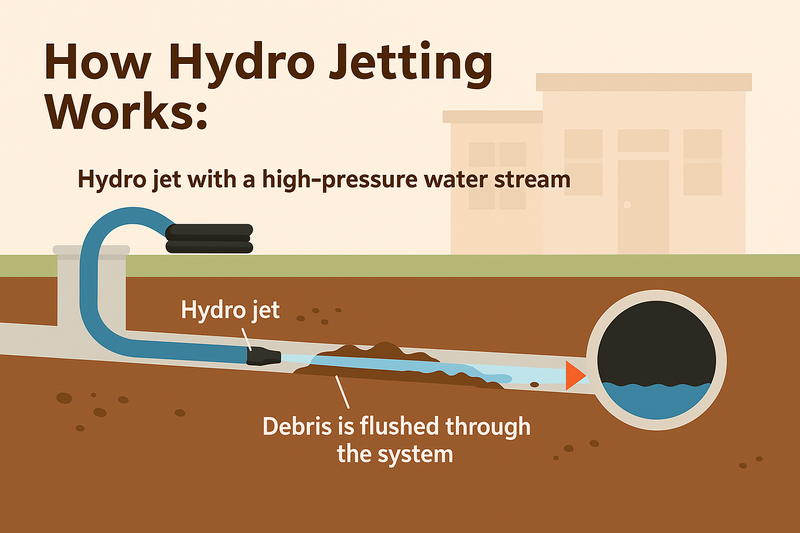
Residential hydro jetting, on the other hand, uses high-pressure water streams—typically 3,000 to 4,000 PSI—to completely obliterate root masses and scour your pipe walls clean. Think of it as power washing your driveway, but for your sewer line. A professional hydro jetting service doesn’t just poke through the obstruction; it restores your pipe’s full diameter and removes the biofilm that attracts future root growth. The process typically takes 2-4 hours for an average residential property, and costs range from $400-800 depending on the severity of the blockage and your line’s length.
What Actually Happens During a Sewer Line Hydro Jetting Appointment
Before any water hits your pipes, a reputable plumber should perform a video camera inspection. This isn’t optional when you’re dealing with tree roots—it’s essential. The camera reveals whether your pipes can actually withstand hydro jetting pressure. Older Orangeburg pipes (common in Amarillo homes built in the 1950s-70s) or severely deteriorated cast iron might collapse under the pressure, turning a $600 cleaning into a $10,000 pipe replacement nightmare.
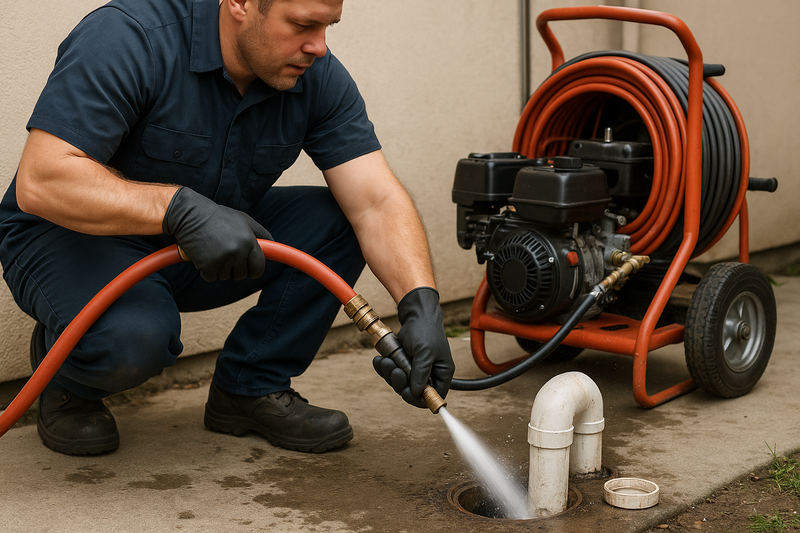
Once the plumber confirms your pipes can handle the treatment, they’ll insert a specialized nozzle through a cleanout access point. These nozzles have forward and rear-facing jets that pull the hose through while blasting everything off the pipe walls. The most effective nozzles for tree roots have cutting heads specifically designed to shred fibrous material. The debris—roots, grease, mineral deposits accumulated from Amarillo’s hard water—gets flushed into the main sewer system or your septic tank.
Five Critical Mistakes Amarillo Homeowners Make With Root Problems
- Waiting for a complete blockage before taking action: If you’re noticing slow drains, sewage odors in your yard, or unusually lush patches of grass above your sewer line, roots are already inside. Emergency hydro jetting during a complete backup costs 2-3 times more than scheduled service.
- Hiring the cheapest quote without asking about camera inspection: Companies offering hydro jetting for under $300 in the 79103 area are probably skipping the pre-inspection, potentially damaging your pipes or missing underlying problems.
- Assuming hydro jetting is a permanent solution: It’s phenomenally effective, but if you don’t address the root cause—literally—those trees will send new growth back through the same entry points. Ask about root barriers or chemical treatments at pipe entry points.
- Ignoring seasonal timing: Spring and fall are when our trees put maximum energy into root growth. Schedule your hydro jetting service in late winter before the spring growth surge.
- Not getting a post-cleaning video inspection: This verifies the job was done thoroughly and documents your pipe condition for future reference. It should be included in your hydro jetting cost.
Questions That Separate Professional Plumbers From Parts Replacers
When you’re calling around for quotes on commercial hydro jetting or residential services, ask potential contractors these specific questions: “What PSI rating does your hydro jetting equipment reach?” (Anything under 3,000 PSI struggles with established roots.) “Do you include pre- and post-service camera inspections?” “What’s your experience with Amarillo’s specific pipe types and soil conditions?” A plumber familiar with the Texas Panhandle understands that our alkaline soil and temperature extremes create unique pipe stress patterns.
Also ask: “What happens if you discover my pipes can’t handle hydro jetting?” A trustworthy contractor will discuss alternatives rather than push forward with a service that could cause damage. Finally: “Do you offer maintenance plans for properties with recurring root issues?” Annual or bi-annual preventive hydro jetting keeps roots from reestablishing strongholds and costs less than emergency calls.
Finding Qualified Hydro Jetting Specialists in Amarillo
When searching for hydro jetting service in Amarillo, Texas, prioritize plumbers who invest in modern diagnostic equipment and carry proper licensing for the 79103 area and surrounding zip codes. Look for contractors who can explain the relationship between your specific tree species, soil type, and pipe material—that local knowledge makes the difference between a quick fix and a lasting solution.