That Moment Your Kitchen Sink Becomes a Science Experiment Gone Wrong
You’re standing in your Flint kitchen, watching murky water slowly creep up from the drain—again. This is the third time this month. You’ve already spent $40 on chemical drain cleaners from the hardware store on Corunna Road, and your neighbor swore by that enzyme treatment, but here you are. The water’s not just backing up anymore; it’s bringing friends: a smell that makes you question every life decision that led to homeownership, and a gurgling sound from the basement that suggests your plumbing is auditioning for a horror movie. Before you call just anyone with a van and a wrench, you need to understand what a proper fix actually costs—and why hydro jetting might be the solution that finally ends this expensive cycle.
What You’re Actually Paying For When You Get a Hydro Jetting Estimate
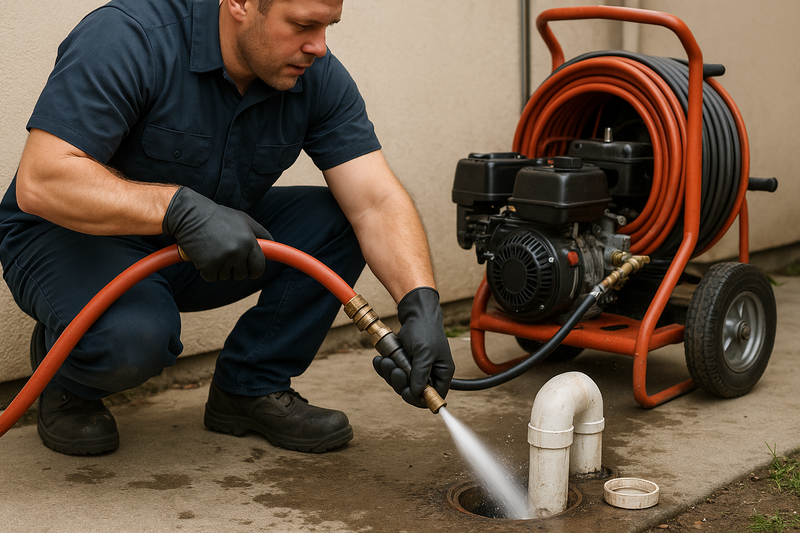
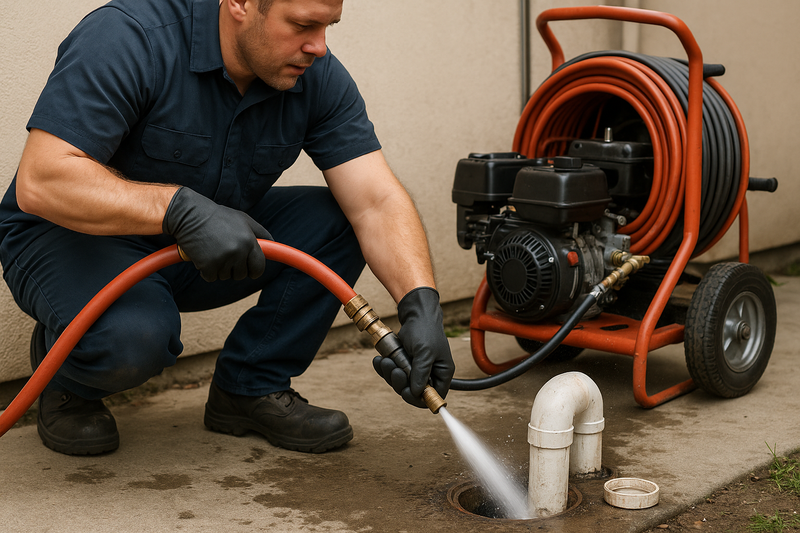
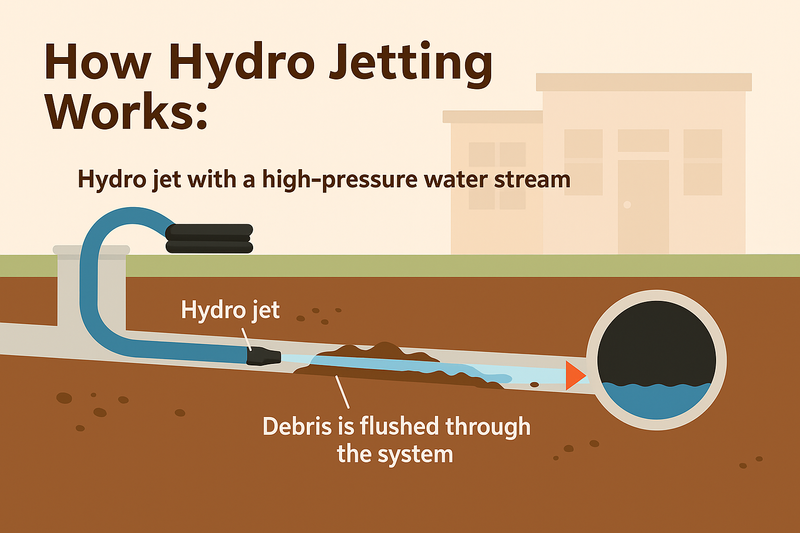
Here’s what most Flint homeowners don’t realize: getting an estimate for hydro jetting isn’t like getting a quote for a pizza. A legitimate hydro jetting service estimate should include a video camera inspection first. Why? Because shooting 3,000 to 4,000 PSI of water through your sewer lines without knowing what’s in there is like performing surgery blindfolded. In the 48519 area and throughout Flint, you’re looking at $350 to $600 for residential hydro jetting of a standard sewer line, but that price shifts dramatically based on what the camera reveals. If you’ve got a simple grease buildup or years of soap scum (common in Flint’s older homes built in the 1940s through 1960s), you’re on the lower end. Tree root infiltration? That’s a different conversation entirely, potentially running $700 to $1,200 depending on severity and line length.
The estimate process should take about 30 to 45 minutes for a thorough assessment. A qualified plumber will snake a camera down your main line—typically accessed through a cleanout valve in your basement or yard—and show you exactly what they’re seeing. This isn’t optional detective work; it’s essential. Flint’s freeze-thaw cycles are brutal on aging terra cotta and clay pipes, and if your sewer line hydro jetting contractor doesn’t check for cracks or collapses first, that high-pressure water could turn a $500 cleaning into a $5,000 excavation project.
Questions That Separate Professional Estimates from Wild Guesses
When you’re shopping for residential hydro jetting estimates in Flint, these six questions will quickly reveal who knows their stuff:
- Do you perform a camera inspection before providing a final quote? Anyone who gives you a flat rate over the phone without seeing your pipes is either inexperienced or hoping you won’t notice when the “unforeseen complications” double your bill.
- What PSI rating does your equipment reach, and how do you adjust it? Different blockages need different pressure. Tree roots require 3,500+ PSI; delicate older pipes might need gentler 2,000 PSI approaches with specialized nozzles.
- Is the video inspection included in your estimate price, or is that separate? Some companies charge $150 to $300 just for the camera work, then quote hydro jetting on top. Others bundle it. Know what you’re comparing.
- What’s your plan if you discover damaged pipes during the inspection? A good contractor has a decision tree ready: minor cracks might still handle hydro jetting; major damage means stopping immediately to discuss repair options.
- Do you offer any warranty on the clearing? Reputable services typically guarantee their work for 30 to 90 days, assuming you’re not flushing baby wipes despite their warnings.
- Are you licensed and insured specifically for work in Genesee County? This matters for liability and ensuring they understand local building codes that affect access points and cleanout requirements.
Why Flint’s Specific Conditions Affect Your Hydro Jetting Cost
If you’re dealing with an emergency hydro jetting situation—sewage backing into your basement during a spring thaw or on Thanksgiving morning—expect to pay 1.5 to 2 times the standard rate. That’s industry standard anywhere, but in Flint, emergency calls spike dramatically in March and April when frost leaves the ground and shifts everything underground. Older neighborhoods near Flint Cultural Center or around Mott Park have mature tree populations with root systems that have been infiltrating clay pipes for decades. These areas often need commercial hydro jetting equipment even for residential properties because standard residential units (around 3,000 PSI) can’t muscle through 40-year-old root masses.
The age of Flint’s housing stock also means many homes still have original cast iron or clay tile sewer lines. An honest estimate will account for this. Modern PVC can handle aggressive hydro jetting without concern; a 70-year-old clay pipe with hairline cracks requires a gentler touch and specialized nozzles that clean without destroying already-compromised pipes. This is why the camera inspection isn’t negotiable—it’s the difference between solving your problem and creating a catastrophically expensive new one.
Getting Multiple Estimates Without Wasting Your Weekend
Schedule all your estimate appointments within a 48-hour window if possible. This gives you fresh comparisons and prevents the “which company said what?” confusion. Take photos of what each contractor shows you on their camera screen—most modern systems allow this. When comparing hydro jetting cost estimates, create a simple spreadsheet: company name, total quoted price, what’s included (inspection, jetting, any guarantees), their availability, and your gut feeling about their professionalism. The lowest price often comes with the longest wait time or the shortest warranty. The highest price doesn’t automatically mean better service—it might just mean they drive a nicer truck.
When you’re ready to hire a professional for hydro jetting service in Flint, Michigan, look for contractors who’ve been operating in the 48519 area for at least five years and can provide recent references from similar-aged homes in your neighborhood. Local experience with Flint’s specific infrastructure challenges—from our water quality history to our soil conditions—matters more than fancy equipment or slick advertising.