When Century-Old Oak Roots Turn Your San Antonio Sewer Line Into a Botanical Garden
Last summer, a homeowner in Alamo Heights discovered her slow-draining toilet wasn’t a simple clog—it was a network of live oak roots that had infiltrated her 1960s-era clay sewer pipes. The roots had grown so extensively that traditional snaking only punched a temporary hole through the blockage, and within three weeks, the problem returned with a vengeance. This scenario plays out countless times across San Antonio neighborhoods where mature trees and aging infrastructure create the perfect storm for sewer line invasions.
San Antonio’s urban forest—particularly the beloved live oaks, cedar elms, and mesquite trees that define our landscape—presents unique challenges for homeowners. Our limestone-rich soil and extended drought periods (hello, water restrictions every summer) encourage tree roots to aggressively seek moisture sources. Your sewer line, with its constant supply of nutrient-rich water, becomes an irresistible target. Once roots breach those old Orangeburg or clay pipes common in 78231 and surrounding areas built before the 1980s, you’re facing a recurring nightmare that chemical root killers and drain snakes simply can’t solve permanently.
Why Hydro Jetting Outperforms Traditional Root Removal Methods
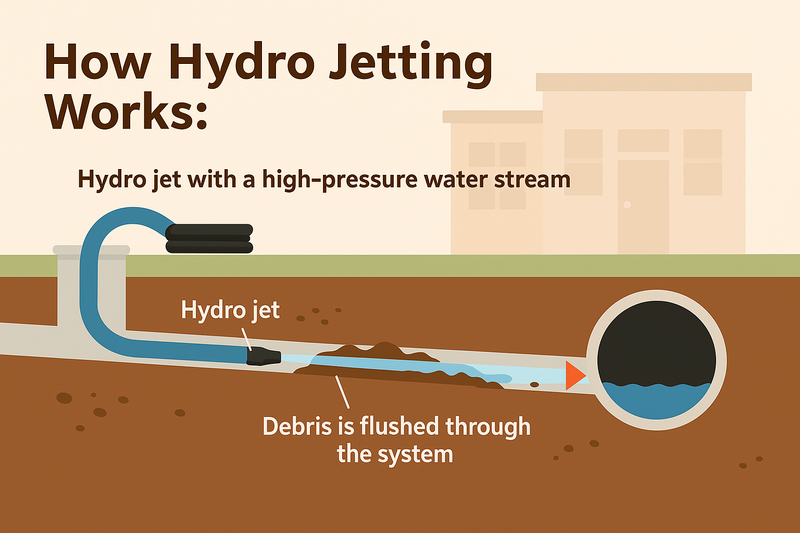
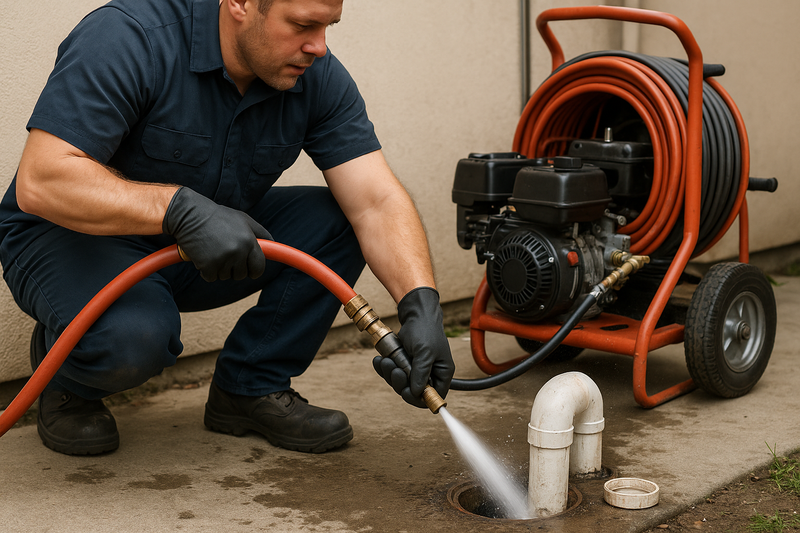
Here’s where residential hydro jetting changes the game entirely. Unlike a plumber’s snake that pokes a hole through root masses, hydro jetting uses high-pressure water streams—typically between 3,500 to 4,000 PSI—to completely scour the interior of your pipes. Think of it as power washing your driveway, but inside your sewer line. The specialized nozzle propels itself forward while simultaneously spraying water in multiple directions, obliterating root structures, mineral deposits, grease buildup, and decades of grime that’s accumulated on pipe walls.
When comparing sewer line hydro jetting to other approaches for San Antonio tree root problems, consider these practical differences:
- Traditional Snaking: Costs $150-$300 but only creates a temporary opening through roots. Expect the blockage to return within 3-8 weeks as roots rapidly regrow into the moisture source. Best for simple clogs, not root invasions.
- Chemical Root Killers: Running $20-$50 per treatment at hardware stores, these copper sulfate or foaming products can damage pipes over time and harm the very trees you’re trying to preserve. They’re also largely ineffective against established root systems and take weeks to show minimal results.
- Hydro Jetting Service: Ranges from $450-$900 in the San Antonio area depending on line accessibility and severity. Results last 1-3 years typically, and completely clears the pipe diameter. When combined with bi-annual maintenance jetting, many homeowners avoid root problems indefinitely without tree removal.
- Pipe Replacement: The nuclear option at $3,000-$15,000+ depending on length and landscaping restoration. Sometimes necessary for severely damaged pipes, but hydro jetting should be attempted first to assess whether replacement is truly needed.
What You Should Know About Hydro Jetting Cost in San Antonio
The cost of emergency hydro jetting in San Antonio varies based on several factors specific to our region. If you’re dealing with roots in a main sewer line that’s 4-6 inches in diameter and runs 50-100 feet from your home to the city connection, expect to pay $500-$750 for a thorough cleaning. However, if you’re in an older neighborhood like Monte Vista or Beacon Hill with deeper lines, difficult access points, or severely compromised pipes, costs can approach $1,200. Commercial hydro jetting for multi-unit properties or businesses typically starts at $800 due to larger diameter pipes and more complex systems.
Here’s the money-saving truth most plumbers won’t advertise upfront: scheduling preventive hydro jetting before you have a complete blockage costs significantly less than emergency service. A maintenance cleaning runs $350-$500 and can be scheduled during normal business hours. Compare that to weekend emergency calls that can hit $1,000+ when sewage is backing up into your home during your daughter’s quinceañera.
Critical Warning Signs That Tree Roots Have Invaded Your Sewer Line
San Antonio homeowners should watch for these specific indicators that roots have compromised your system. Multiple slow drains throughout the house—not just one toilet or sink—suggest a main line issue rather than isolated clogs. Gurgling sounds when you flush, especially if they’re accompanied by water backing up in your shower or bathtub, mean roots are restricting flow and creating air pockets. Suspiciously lush patches of grass in your yard along the sewer line path, particularly during our brutal summer months when everything else is brown, indicate a leak that roots are exploiting. Finally, if you’ve had the same section of line snaked three or more times in a year, you’re wasting money on temporary fixes instead of addressing the root cause—literally.
Questions to Ask Before Hiring a Hydro Jetting Professional in San Antonio
Before scheduling service, confirm the contractor performs a video camera inspection of your line both before and after jetting. This documentation shows you exactly what’s happening inside your pipes and proves the jetting was effective. Ask whether they’re licensed by the Texas State Board of Plumbing Examiners and insured—this matters tremendously if high-pressure water damages already-compromised pipes. Inquire about the specific PSI rating they’ll use; experienced techs adjust pressure based on pipe material and condition. For those old clay or Orangeburg pipes common in 78231’s established neighborhoods, too much pressure can cause more harm than good.
Finding qualified professionals who understand San Antonio’s unique combination of limestone soil, mature tree populations, and aging infrastructure makes all the difference in solving tree root invasions permanently. Look for plumbers who offer maintenance programs and can advise you on long-term solutions that protect both your sewer lines and the beautiful trees that make our city special.