When Your Kitchen Sink Backs Up During a February Freeze
Last winter, a homeowner in Heritage Hill watched in horror as their kitchen sink suddenly gurgled, spat out dark water, and refused to drain—right in the middle of a bitter cold snap when temperatures hit -5°F. They’d been dealing with slow drains for weeks, assuming it was just the usual gunk buildup. But those older cast-iron pipes beneath their 1920s bungalow had different plans. What they needed wasn’t a simple snake or chemical drain cleaner. They needed hydro jetting, a powerful cleaning method that could blast through decades of accumulated grease, soap scum, and tree roots that had infiltrated their sewer line during Michigan’s freeze-thaw cycles.
What Makes Hydro Jetting Different from Traditional Drain Cleaning?
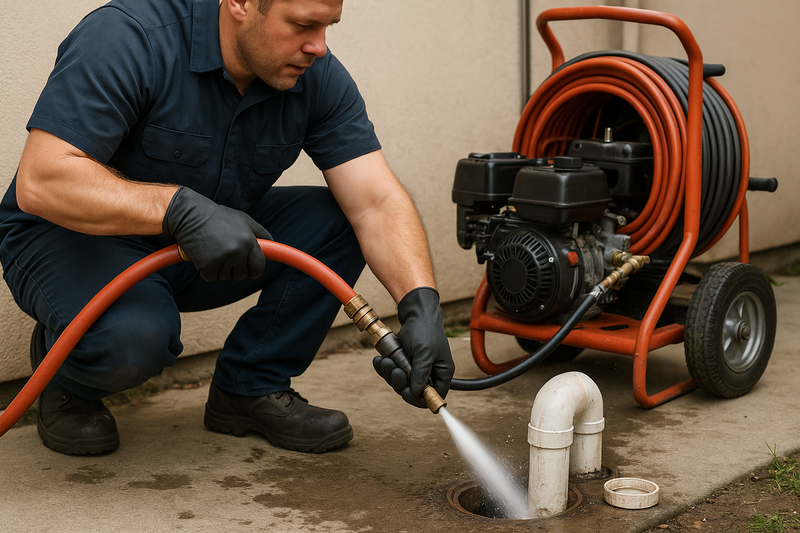
Here’s the fundamental difference: traditional snaking pokes a hole through a clog, like drilling through packed snow. Hydro jetting completely scours the interior of your pipes clean, removing everything clinging to the walls. A professional hydro jetting service uses specialized equipment that shoots pressurized water—typically between 3,000 to 8,000 PSI—through your plumbing system. Think of it as a pressure washer for your pipes, but far more sophisticated and controlled. In Grand Rapids, where many homes date back 50-100 years and have never had their sewer lines fully cleaned, this makes an enormous difference. Those Victorian homes around Eastown or the early 1900s craftsman houses scattered throughout the 49503 area? Their pipes have seen things.
The process typically takes 2-4 hours for residential hydro jetting, depending on the severity of buildup and the length of your sewer line. A technician first inspects your pipes with a camera—always insist on this step—to identify blockages, pipe condition, and any cracks or damage. This matters tremendously in Grand Rapids, where frost heaves and soil movement can compromise older clay or cast-iron pipes. If your pipes are severely damaged, hydro jetting might make things worse, which is why that camera inspection isn’t optional.
How Much Does Hydro Jetting Cost in the Grand Rapids Area?
Let’s talk numbers, because this is where homeowners get nervous. In Grand Rapids, Michigan, you’re typically looking at these ranges:
- Basic residential hydro jetting: $350-$600 for standard main line cleaning
- Sewer line hydro jetting with severe blockage: $500-$900, especially if tree roots are involved
- Emergency hydro jetting service: Add $150-$300 to those base costs for after-hours or weekend calls
- Camera inspection (should be included): $100-$200 if quoted separately, though reputable companies bundle this
- Commercial hydro jetting: $750-$2,000+ depending on pipe diameter and building size
Why such variation? Several factors drive hydro jetting cost: accessibility of your cleanout (that pipe with a cap in your yard or basement), distance from the house to the street connection, and severity of buildup. If your home is in one of the older neighborhoods where houses sit close together with limited yard access, expect to pay toward the higher end. One money-saving tip: schedule non-emergency service. If you’re noticing slow drains now, don’t wait until 9 PM on a Saturday when everything backs up into your basement.
Common Mistakes Grand Rapids Homeowners Make with Drain Problems
The biggest mistake? Repeatedly using chemical drain cleaners. These products create temporary relief while actually making long-term problems worse. The chemicals can corrode older pipes—a serious concern in Grand Rapids where many homes have original plumbing—and they don’t address the root cause. You’re literally pouring money down the drain. Another common error is hiring someone who doesn’t perform a camera inspection first. Would you let a surgeon operate without an X-ray? Same principle applies here.
Also, watch for contractors who insist hydro jetting is the only solution without evaluating alternatives. Sometimes a simpler approach works fine. But if you’re experiencing recurring clogs, multiple slow drains throughout your house, sewage odors, or water backing up from lower drains when you run water upstairs, hydro jetting is likely your best bet. These warning signs indicate systemic buildup rather than isolated clogs.
Michigan’s Climate Creates Unique Pipe Challenges
Grand Rapids experiences dramatic temperature swings that wreak havoc on underground pipes. When spring arrives and the ground thaws, tree roots aggressively seek water sources—meaning your sewer line becomes prime real estate for invasive root systems. Those beautiful mature trees lining streets in Heritage Hill, East Grand Rapids, and Eastown? Their roots extend 2-3 times beyond their canopy spread, often directly into pipes through tiny cracks.
Winter presents its own challenges. Grease congeals faster in cold pipes, and the freeze-thaw cycle can create subtle shifts in soil that stress pipe joints. If you’ve noticed problems emerging after particularly harsh winters, that’s not coincidence. Spring and early fall represent ideal times for preventative sewer line hydro jetting—before problems escalate into emergency situations.
Questions to Ask Before Hiring a Hydro Jetting Service
When you’re getting quotes from plumbing companies in the 49503 area and throughout Grand Rapids, ask these specific questions: Do they always perform camera inspections before and after hydro jetting? What PSI rating does their equipment reach, and do they adjust pressure based on pipe material? Are they licensed and insured specifically for hydro jetting work? Can they provide references from other Grand Rapids homeowners with similar aged homes? Do they offer any warranty on their work—typically 30-90 days is standard? These questions separate professionals from amateurs wielding pressure washers they rented from a hardware store.
Look for contractors who explain what they found, show you camera footage, and discuss preventative maintenance. The best plumbers treat your home like it’s their own, offering honest assessments about whether you need service now or can wait. That’s the kind of professional relationship that serves Grand Rapids homeowners well for years to come, especially as our Michigan winters continue testing our home’s infrastructure year after year.