When Your Kitchen Sink Backs Up During Sunday Dinner
Picture this: You’re hosting family for Sunday roast, and suddenly the kitchen sink refuses to drain. Water pools around leftover mashed potatoes while your in-laws wait in the next room. You’ve already tried the plunger twice, dumped half a bottle of drain cleaner down there last month, and now you’re watching murky water creep higher. For Glasgow homeowners dealing with Iowa’s older housing stock and the tree root invasions that come with our mature neighborhoods, this scenario hits close to home. What you might not realize is that your home’s sewer line could be harboring years of buildup—grease, mineral deposits, soap scum, and yes, those invasive tree roots that thrive in our clay-heavy Iowa soil.
What Makes Hydro Jetting Different from Snake Cables?
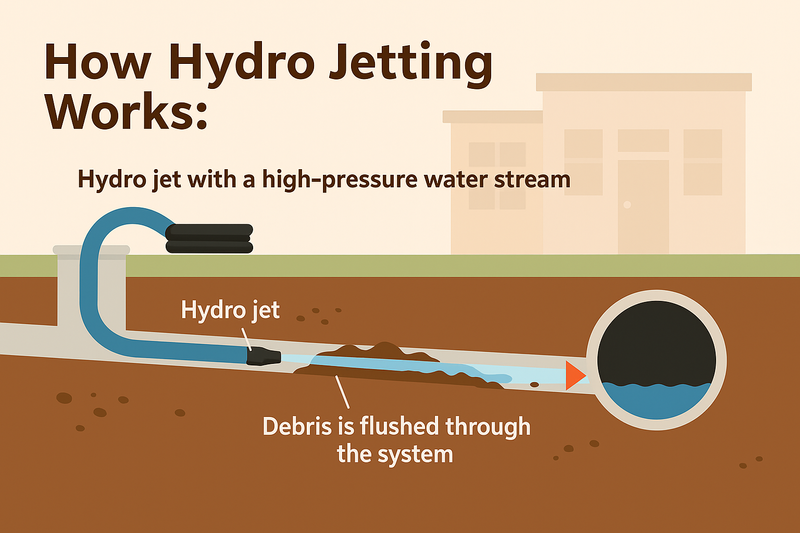
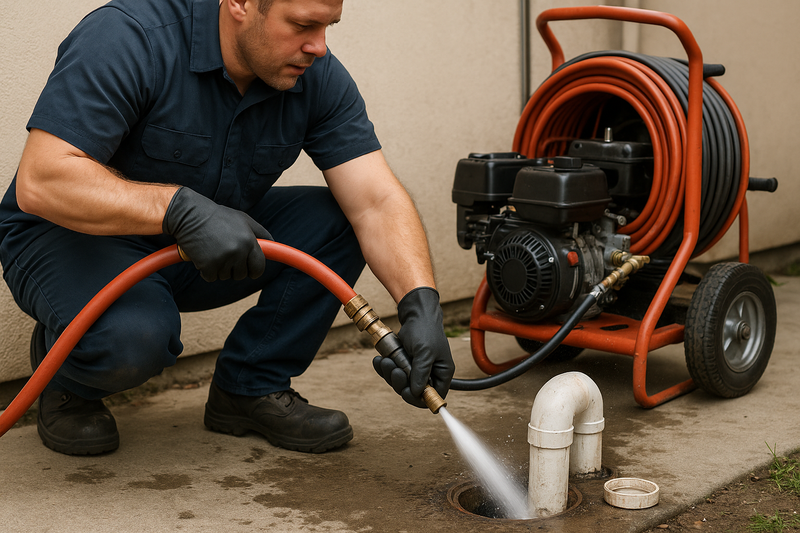
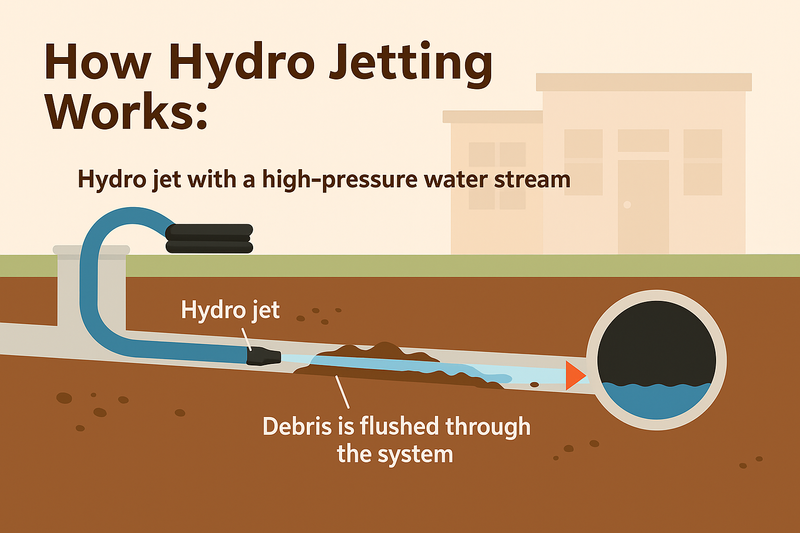
You’ve probably heard of drain snakes—those metal cables plumbers thread through pipes to punch holes in clogs. They work temporarily, but here’s the catch: they create a passage through the blockage without actually cleaning the pipe walls. Think of it like poking a hole through snow versus shoveling your entire driveway. Residential hydro jetting, by contrast, uses high-pressure water streams (typically 3,000 to 4,000 PSI for home plumbing) to scour the inside of your pipes completely clean. The specialized nozzle shoots water forward to break up blockages while simultaneously spraying backward at angles to scrub the pipe walls. For Glasgow homes built in the 1950s through 1980s—which make up a significant portion of our 52556 area housing—this thorough cleaning addresses decades of accumulated gunk that snaking simply can’t touch.
The Biggest Mistakes Glasgow Homeowners Make Before Calling for Help
Before we dive into hydro jetting specifics, let’s talk about what not to do. The most common mistake? Repeatedly using chemical drain cleaners. These products might provide temporary relief, but they corrode cast iron and older pipes common in Glasgow homes, potentially creating expensive problems down the road. The second mistake is waiting too long. When you notice slow drains in multiple fixtures, sewage odors in your yard, or gurgling sounds from toilets, you’re seeing warning signs of main sewer line issues—not just a simple clog. Finally, many homeowners attempt heavy-duty augering equipment rentals without understanding their pipe material. Clay tile sewer lines, which many pre-1980 Glasgow homes have, can crack under aggressive snaking attempts. Hydro jetting service, performed by trained professionals, eliminates these risks because water conforms to pipe shapes and won’t damage properly installed lines.
How Much Does Residential Hydro Jetting Actually Cost in Our Area?
Let’s address the number one question: investment. In the Glasgow area, expect residential hydro jetting costs to range from $350 to $600 for standard service on a main sewer line. Several factors influence where you’ll land in that range:
- Access point availability: Homes with cleanout ports easily accessible in the basement or yard cost less than those requiring toilet removal for access
- Severity of blockage: Moderate grease buildup versus extensive tree root infiltration affects treatment time and complexity
- Line length and diameter: A 50-foot run to the street costs less than a 100-foot line to a rural septic connection
- Camera inspection inclusion: Many Glasgow plumbers bundle sewer line hydro jetting with video inspection ($100-200 value) to identify damage and verify cleaning effectiveness
- Emergency timing: Emergency hydro jetting services during evenings, weekends, or holidays typically add 50-100% to base pricing
Here’s something worth knowing: while the upfront cost exceeds basic snaking (usually $150-250), hydro jetting lasts significantly longer. Most Glasgow homeowners report 3-5 years before needing repeat service, compared to 6-18 months with traditional augering. When you calculate cost per year of clear drains, the math favors the more thorough approach.
Questions to Ask Before Scheduling Your Service
Not all plumbing companies in the 52556 area offer true hydro jetting—some use lower-pressure systems that don’t deliver the same results. When calling for quotes, ask these specific questions: Does their equipment reach at least 3,000 PSI for residential work? Will they perform a camera inspection before and after to document the condition and results? Are they familiar with the older pipe materials common in Glasgow homes, and do they adjust pressure accordingly for clay tile or Orangeburg pipes? Can they provide references from other Glasgow homeowners? A qualified professional should answer these confidently and explain their process clearly. They should also discuss whether your particular situation might benefit from commercial hydro jetting equipment (higher PSI) if you’re dealing with severe root intrusion or hardened scale buildup.
Iowa’s Freeze-Thaw Cycles and Your Sewer Lines
Timing matters here in Iowa. Our winter freeze-thaw cycles stress underground pipes, and spring often reveals cracks that developed over winter. Many Glasgow plumbers report increased emergency calls in March and April when ground movement shifts pipe sections. Consider scheduling preventive hydro jetting service in late summer or early fall, before ground freezes make repairs more complicated and expensive. This proactive approach also ensures your lines are clear before holiday gatherings and winter’s increased indoor water usage.
Finding the Right Professional in Glasgow
When searching for residential hydro jetting services in Glasgow, Iowa, look for licensed plumbers with specialized training in high-pressure water systems and experience with our area’s specific challenges—particularly tree root management and older pipe materials. A quality contractor will discuss your home’s age, explain what they find during inspection, and provide honest recommendations about whether hydro jetting is your best option or if pipe replacement makes more sense for severely damaged lines.